唱戏曲的是什么人物英文
**TheArtistsBehindChineseOpera:WhatAreTheyCalledinEnglish?**
WhenwetalkaboutChineseopera,imagesofvibrantcostumes,intricatefacepaintings,andmesmerizingvocaltechniquescometomind.Butwhoexactlyaretheperformersbringingtheseancientartformstolife?Let’sexplorehowtheseartistsaredescribedinEnglishanduncovertheculturalnuancesbehindtheirtitles.
**1.TheMultifacetedPerformersofChineseOpera**
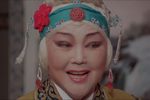
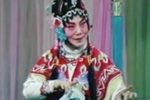
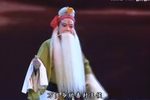
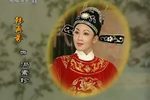
Chineseoperaisn’tjustaboutsinging—it’safusionofmusic,dance,martialarts,andstorytelling.Theperformersareoftenreferredtoas**“Chineseoperasingers”**or**“traditionaloperaactors/actresses”**inEnglish.However,thesetermsbarelyscratchthesurface.Forinstance,inPekingOpera(京剧,*Jingju*),artistsmightbespecificallycalled**“Jingjuperformers”**or**“PekingOperaactors”**.Similarly,regionalstyleslikeCantoneseOpera(粤剧,*Yueju*)usetermslike**“Yuejuartists”**.
**2.RoleTypes:MoreThanJustaLabel**
UnlikeWesterntheater,Chineseoperacategorizesperformersbyroletypes,eachwithdistinctvocalandmovementstyles.Here’showtheserolestranslate:
-**Sheng(生)**:Maleroles,rangingfromwarriorstoscholars.Termslike**“leadmaleactor”**or**“martialheroperformer”**mightbeused.
-**Dan(旦)**:Femaleroles,suchasthedignified**“Qingyi”**(青衣,virtuouswomen)orlively**“Huadan”**(花旦,vivaciousmaids).Theseareoftendescribedas**“femaleleadroles”**or**“classicalheroineperformers”**.
-**Jing(净)**:Boldmalecharacterswithpaintedfaces.They’resometimescalled**“painted-faceroleactors”**or**“characterrolespecialists”**.
-**Chou(丑)**:Comicroles,translatedas**“clownroles”**or**“comicperformers”**,knownfortheirwitandacrobatics.
**3.MastersofCraft:TitlesofRespect**
Veteranperformersoftenearnhonorifictitles.Forexample,**“Guójìdàshī”**(国际大师,NationalMaster)mightbecome**“NationalTreasurePerformer”**inEnglish.LegendaryfigureslikeMeiLanfang(1894–1961),aPekingOpera*Dan*actor,arefrequentlydubbed**“operalegends”**or**“culturalicons”**ininternationalcontexts.
**4.ModernAdaptationsandGlobalStages**
Today’soperaartistsbalancetraditionwithinnovation.YoungerperformerslikeWangPeiyu,acelebratedPekingOpera*Laosheng*(老生,elderlymale)actress,areoftencalled**“cross-disciplinaryoperainnovators”**forblendingtraditionaltechniqueswithmodernstorytelling.Whenperformingabroad,termslike**“culturalambassadors”**or**“traditionalartsrevivalists”**appearinmediacoverage.
**5.WhyTerminologyMatters**
UsingpreciseEnglishtermshelpsglobalaudiencesgraspthecomplexityoftheseroles.Forexample,callinga*Dan*performersimplya“singer”overlookstheirmasteryofmartialarts,gesture-basedstorytelling(*xiqu*),andsymbolicmovements.Phraseslike**“rhythmicstorytellingartist”**or**“multidimensionaloperaperformer”**bettercapturetheirskills.
**FunFact:LostinTranslation?**
Sometermsdefydirecttranslation.Thephrase**“唱念做打”**(*changnianzuoda*)—referringtosinging,recitation,acting,andcombat—isoftensimplifiedto**“thefourskillsofChineseopera”**.Meanwhile,theterm**“脸谱”**(*lianpu*,facepainting)isuniversallyrecognizedas**“Chineseoperamasks”**,thoughthey’reactuallypainteddirectlyontotheskin!
**Conclusion**
From**“Jingjuperformers”**to**“painted-facerolespecialists”**,theEnglishnamesforChineseoperaartistsreflectboththeirartisticrolesandculturalheritage.Asthisartformgainsglobaltraction,thesetitlesserveasbridges,invitingtheworldtoappreciatethedepthofChina’stheatricaltraditions.Nexttimeyouwatchaperformance,remember:behindeveryswirlingsleeveandhigh-pitchedmelodyisanartisttrainedfordecadestokeepcenturiesofhistoryalive.
---
*Note:Termslike“xiqu”(戏曲)areincreasinglyusedinEnglishtodistinguishChineseoperafromWesternstyles,muchlike“kungfu”or“qi”haveenteredglobalvocabulary.*
声明:内容由网友分享,版权归原作者所有,如侵犯权益请联系我们修改或删除。